
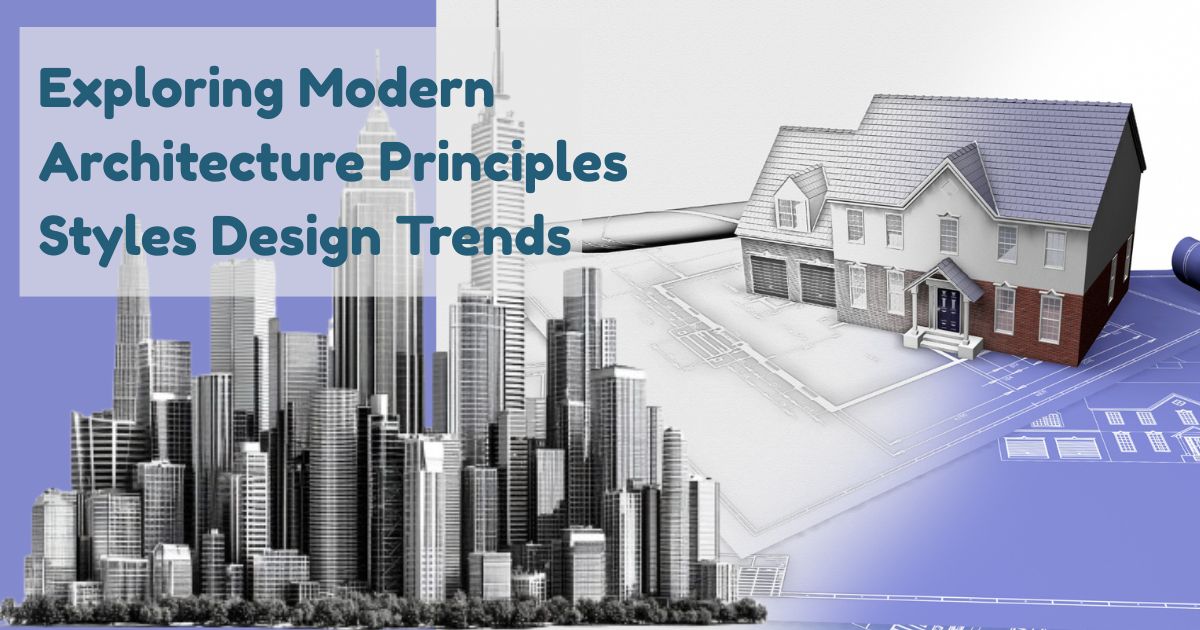
🏛️ Introduction: Why Architecture Still Shapes Our Lives
Architecture is more than fair buildings, it’s a reflection of culture, innovation, maintainability, and human imagination. From antiquated sanctuaries to cutting-edge shrewd homes, design not as it were characterizes how we live, but also impacts how we feel, connected, and move through space.
In 2025, design proceeds to advance quickly in response to natural challenges, urban population growth, and innovative advancements. Whether you're an understudy, mortgage holder, trade designer, or essentially curious, understanding the essentials of design can develop your appreciation for the spaces you occupy each day.
🧱 What Is Architecture?
At its center, design is the craftsmanship and science of planning and developing buildings and other physical structures. It includes arranging, conceptualizing, and organizing space to make situations that are useful, secure, tastefully satisfying, and responsive to client needs.
Modern engineering is regularly a collaboration between:
- Architects (creators and visionaries),
- Engineers (basic keenness and systems),
- Interior architects, urban organizers, and
- Construction experts (builders, contractors).
📚 Key Principles of Architectural Design
Whether planning a high-rise or a little domestic, modelers depend on an establishment of directing principles:
1. Frame and Function
A building ought to be both outwardly engaging and down-to-earth. The shape and structure must bolster the building's intended use.
2. Adjust and Proportion
A good plan accomplishes concordance between components — room measure, divider arrangement, and indeed furniture format — regularly utilizing proportions like the Brilliant Mean.
3. Cadence and Repetition
Using repeating plan components like windows, pillars, or lighting makes a difference make stream and visual consistency.
4. Differentiate and Variety
Modern plans frequently differentiate materials (e.g., glass vs. concrete) or shapes (e.g., bends vs. sharp lines) to include intrigue without making chaos.
5. Sustainability
In 2025, energy-efficient formats, inactive plan, green materials, and eco-conscious frameworks are more than patterns they’re essential.
🏠 Major Architectural Styles Explained
1. Present-day Architecture
- Clean lines, moderation, and utilitarian spaces.
- Open floor plans, huge windows, and unbiased color palettes.
- Focused on effortlessness and normal light.
2. Modern Architecture
- Often befuddled with innovation, but modern reflects current trends.
- Can incorporate striking shapes, imaginative materials, and tech integration (savvy homes).
3. Classical Architecture
- Inspired by antiquated Greek and Roman styles.
- Features incorporate columns, arches, curves, and symmetry.
4. Mechanical Style
- Utilizes crude materials like brick, steel, and concrete.
- Popular in urban lofts and repurposed distribution center spaces.
5. Moderate Architecture
- “Less is more” approach.
- Stripped-down shapes, clean aesthetics, and limited utilize of colors and materials.
🌿 Green Architecture & Sustainability in 2025
Sustainability is a driving constraint in cutting-edge engineering planning. With the worldwide focus on natural preservation, designers are progressively coordinating green homes into each stage of a project.
Key Components of Economical Architecture:
- Passive solar plan: Employments daylight for characteristic warming and lighting.
- Energy-efficient frameworks: Incorporate driven lighting, keen indoor regulators, and sun powered panels.
- Sustainable materials: Bamboo, reused steel, plug, and recovered wood.
- Green rooftops and dividers: Make strides in covering, decreasing urban warm, and decontaminate air.
Certifications to Know:
- LEED (Authority in Vitality and Natural Design)
- BREEAM (Building Inquire about Foundation Natural Evaluation Method)
- WELL Building Standard (centers on wellbeing and wellness)
🖥️ Technology and Smart Architecture
Technology is revolutionizing design not fair in building operations, but too in how structures are outlined, arranged, and constructed.
Trending Innovations:
- 3D Modeling and BIM (Building Data Modeling): Empowers exact arranging and visualization.
- Parametric Plan: Employment calculations and information to shape building forms.
- Smart Buildings: Prepared with IoT gadgets, AI climate control, security mechanisms, and energy tracking.
- 3D-Printed Structures: Developing as a low-cost, rapid-construction alternative in farther or crisis lodging scenarios.
Architects are presently anticipated to be as familiar with computer programs and sustainability as they are in portraying and materials.
🏙️ Urban Architecture: Designing for Modern Cities
As cities became more swarmed, urban modelers confront the challenge of adjusting density, livability, and sustainability.
Urban Plan Goals:
- Walkability: Making secure, available, and productive people on foot paths.
- Mixed-Use Spaces: Combining private, commercial, and recreational offices in one zone.
- Transit-Oriented Improvement (TOD): Building close, open transport to diminish car dependency.
- Public Spaces: Planning parks, squares, and community zones that cultivate social connection.
A well-designed city isn't fair effective — it rouses human association, wellbeing, and creativity.
🧠 Tips for Understanding Architecture as a Beginner
If you’re fairly getting into engineering — either as an understudy or devotee — here’s how to investigate it more deeply:
- Observe Buildings Around You
Take note of materials, extents, window arrangements, and how space makes you feel.
- Sketch or Photo Curiously Designs
Visual documentation makes strides in your mindfulness and expository thinking.
- Read Building Books and Magazines
Well-known alternatives include Building Process, Dezeen, ArchDaily, and Dwell.
- Use Virtual Tools
Investigate online 3D walkthroughs and intelligently map to consider celebrated buildings
- Study Notorious Architects
Learn approximately pioneers like Straight to the point Lloyd Wright, Le Corbusier, Zaha Hadid, and Renzo Piano.
🧱 Common Architectural Materials and Their Uses
- Concrete: Flexible, tough, perfect for moderate and brutalist structures.
- Glass: Improves the characteristic light and makes it transparent.
- Steel: Utilized in outlines and mechanical design.
- Wood: Offers warmth and character utilized in both provincial and advanced forms.
- Brick: Classic, energy-efficient, and tastefully versatile.
Choosing the right fabric influences not fair aesthetics, but also separator, upkeep, and natural impact.
🔍 Architecture in 2025 Is About More Than Buildings
Architecture is a living craftsmanship, one that advances with society’s needs, advances, and values. In 2025, it’s no longer fair to make lovely buildings. It’s almost supportability, wellbeing, advancement, and community.
Whether you’re remodeling a domestic, examining a plan, or simply strolling through a city, engineering is all around you. With each modern structure, designers offer assistance in fathom issues, tell stories, and shape the way we encounter the world.
Understanding engineering engages you to lock in more genuinely with the situations you live and work in, and maybe indeed impact the future spaces we construct.
